Sign in to continue
“We’re Not Hardwired to Go It Alone”: A conversation on managing pelvic pain and endometriosis with psychotherapist Melissa Melia Dunn
Shani Boyd,
#chronicpain
#sexed
#relationships
#endometriosis
#pain
#periods
#wellbeing
#sexualhealth
#education
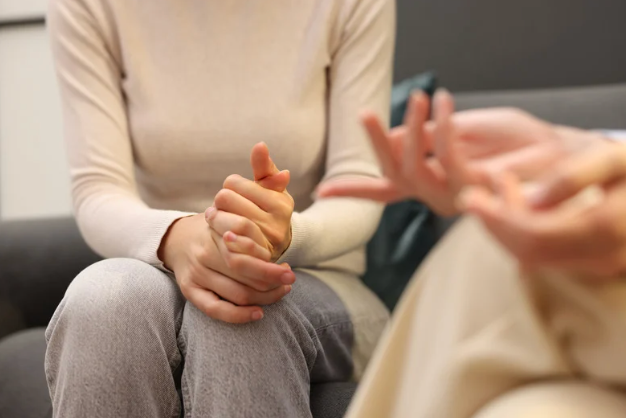
 Melissa Melia Dunn is a trauma-informed psychotherapist based in Ontario specialising in endometriosis and chronic pelvic pain. Inspired by lived experience, she works with clients to understand how the nervous system, emotional experiences, and medical trauma can shape chronic pain, helping patients reconnect with a sense of safety, self-compassion, and possibility.
Pelvic pain conditions such as endometriosis are often treated primarily as physical disorders. Yet many people living with chronic pain know that the psychological experience is deeply intertwined with the physical. Emotional stress, trauma, medical dismissal, and the pressure to push through pain can all shape how symptoms are felt and managed.
In this interview, Melissa discusses how psychotherapy, particularly trauma-informed approaches and pain reprocessing therapy (PRT), can support people living with pelvic pain. She explains the role of the nervous system, why self-compassion and self-advocacy matter, and how healthcare systems could better support patients.
We’re very excited to share Melissa’s insight with the bloomwell community!
The Missing Emotional Dimension of Pelvic Pain
Melissa explains that pelvic pain treatment often focuses on structural explanations alone. While this is important, it can leave patients feeling as though there are no other options.
“It’s usually like, ‘there’s no cure, we’ll try to manage your pain with medication and hormones,’ but that’s kind of it.”
For many patients, this framing can remove hope. Melissa’s work instead focuses on helping people understand the different layers of chronic pain, including how the nervous system and emotional experiences interact with physical symptoms.
Part of that process involves helping patients reconnect with a sense of possibility.
“It’s helping them make some space for hope and possibility… and understand what component of their pain might be neuroplastic (therefore possible to rewire the pain system).”
Pain reprocessing therapy (PRT), which Melissa uses in her practice, works with the brain and nervous system to reshape pain pathways. But equally important, she says, is creating space for emotional processing.
“We make a lot of space for emotional processing; grief, fear, medical trauma, the pressure to push through.”
When a Diagnosis Is Uncertain
Many people seeking support for pelvic pain are still navigating a long diagnostic journey. Melissa emphasises that the uncertainty itself can be emotionally taxing.
Patients often live with what she describes as “anticipatory grief”, the fear of what a diagnosis might mean for their future.
“There can be layers of worry… even anticipatory grief, which means anticipating this condition taking pieces of our life that are really valuable.”
Psychotherapy, she explains, provides a space to process those emotions rather than face them alone.
“They’re not alone in that experience. They have someone who can be in it with them.”
How Emotions and the Nervous System Influence Pain
A key part of Melissa’s work involves helping clients understand the connection between emotions, stress, and pain.
She explains this through the body’s threat response system.
“Particular emotions activate a threat response in our nervous system; the fight-or-flight response. Experiences like overwhelm, fear, or chronic relational stress can activate it.”
When emotions are suppressed or invalidated, especially during childhood, they can continue to activate the nervous system later in life.
“If anger was too much, sadness wasn’t okay to show, or you had to ‘suck it up,’ those emotions can still trigger the threat response later.”
This heightened threat response can lead to physical tension in the body, particularly in the pelvic floor.
“Clients will say, ‘I feel stuck.’ And literally that emotional energy gets stuck in tension and guarding, pelvic tension can be a huge place where women hold that.”
Melissa also emphasises that trauma does not only refer to extreme events. It can include experiences that overwhelm a person’s ability to process them at the time.
“Trauma is simply something that happens that feels too big for the system to hold and process.”
Over time, these experiences can contribute to central sensitisation, a process where the nervous system becomes more reactive to pain.
The Importance of Self-Compassion
For people living with chronic pain, Melissa believes self-compassion is a crucial skill. Many patients have internalised dismissive messages they received from others, including medical professionals.
“There can be a part of us that takes on that tone of voice: ‘You’re being too sensitive. You should be able to handle this.’”
That internal critic can reinforce the brain’s sense of threat, which may worsen pain sensitivity.
Self-compassion offers a different pathway.
“How can we be with sensations or emotions with curiosity, rather than trying to fix or get rid of them? That curiosity becomes a signal of safety to the brain.”
Over time, building these neural pathways of safety can shift the body’s pain response.
Learning to Advocate in Healthcare Settings
Many people with pelvic pain have experienced medical dismissal or trauma. Melissa says these experiences can accumulate over time, influencing how patients approach future appointments.
She describes this as carrying an “invisible backpack.”
“All those past healthcare experiences can end up in an invisible backpack. Then when a new appointment happens, that whole backpack is there with you.”
Therapy can help unpack those experiences and develop practical tools for navigating future medical encounters.
These might include preparing notes, tracking symptoms, or practising conversations in advance.
“What would it look like to support your future self, especially if you’re in acute pain and it’s hard to think clearly?”
The Stigma Around Sexual Health, Intimacy, and Pelvic Pain
Melissa explains that stigma often begins long before someone enters a medical appointment. For many young people experiencing pelvic pain, a lack of education and open conversation around sexual and reproductive health can make symptoms difficult to recognise or describe.
“We’re learning what a period is… but we’re not understanding what types of pain are worthy of support, or the different phases in a cycle.”
At the same time, conversations about intimacy or sexual health are not always easy to have at home. Melissa notes that family dynamics, cultural values, and discomfort around these topics can create additional barriers.
“Around intimacy, there can also be questions about what type of language and foundation for conversation is available at home. Is there shame or stigma? Are there values that sort of become barriers for language and sharing this already?”
Because of this, young people are often expected to identify and communicate symptoms on their own, something Melissa describes as an unfair burden.
“We’re leaving it up to the teen to feel it, add the words, understand, and then ask for help, which is such a burden.”
Symptoms linked to pelvic pain conditions can also be difficult to quantify or explain, particularly when they fluctuate over time. Melissa says this uncertainty can make it even harder for patients to articulate what they are experiencing.
“There’s this real mystery on how much pain is too much pain. And when it fluctuates too, it’s so hard to have that in a tangible number that is easy to explain.”
For Melissa, all types of pain deserve attention and care, and addressing stigma requires more proactive conversations, from healthcare professionals, parents, and educators alike. Creating space for open discussions about periods, sexual health, and pain can make it easier for people to recognise symptoms and seek support earlier.
“There are so many important conversations to be had that help remove the stigma or shame or wondering.”
What Healthcare Professionals Could Do Differently
Melissa believes one of the most powerful changes healthcare providers could make is adjusting their language.
Even when medical answers are limited, the way information is delivered can dramatically affect how patients feel.
“Language matters. What signals safety to the brain versus threat?”
For example, being told that tests are normal without validation can feel dismissive.
“If you hear ‘nothing’s wrong’ or ‘there’s no cure,’ that can immediately signal threat to the nervous system.”
A more compassionate framing could make a significant difference.
“Imagine hearing: ‘I believe you’re in a lot of pain. It’s good you came in. We don’t have all the answers yet, but here are the next steps and how we’ll support you.’”
Importantly, Melissa points out that this approach does not require more time, only different communication.
Advice for Patients and Parents
For people considering therapy for pelvic pain, Melissa offers simple but powerful reassurance.
“There’s no symptom or experience that’s too small. If it matters to you, it matters in psychotherapy.”
She also emphasises that support should not be delayed.
“We’re not hardwired to go it alone. Inviting support earlier rather than later can make a huge difference.”
For parents of adolescents experiencing pelvic pain, she encourages trusting their intuition.
“Sometimes parents discredit how well they know their child. Don’t shy away from that advocacy. You can push boundaries and ask big questions.”
It’s not just about believing and trusting their children but trusting themselves to advocate for their child too.
Moving Toward More Integrated Care
Melissa’s perspective highlights the importance of a multidisciplinary approach to pelvic pain, one that includes medical care, physical therapy, and psychological support.
Pelvic pain is not “all in the head,” but neither is it purely physical. The nervous system, emotional experiences, and social context all play a role.
By recognising these connections and a “brain-based model of pain”, patients may be able to access new forms of support and perhaps reclaim some of the hope that traditional medical frameworks often overlook.
Thank you Melissa for sharing your time and expertise with us!
Where to find Melissa:
For clients based in Ontario:
https://www.thewholeyoucounselling.com/
She is currently accepting new clients.
Book a free 15 minute consultation HERE. (Ontario based clients only)
instagram: @thewholeyoupsychotherapy
UK Support resources:
Wellbeing of Women
Period Symptom Checker
Endometriosis UK
Information, helpline, and peer support
Helpline available 0808 808 2227
Pain being common does not mean it is normal.
Mental Health Support:
If you’re struggling emotionally, you are not alone.
Samaritans (24/7 support)
Helpline: 116 123
Shout (24/7 text support)
Text SHOUT to 85258
The Mix (under 25s)
Text 85258 for urgent mental health support
Childline (under 18s)
Helpline: 0800 1111
You don’t need to be in crisis to ask for help.
Share your thoughts
We're on a mission to bring our community the best content! Loved this article? Got ideas to make it even better or suggestions for future topics? We'd love to hear from you! Your input shapes the future of our content.