wellbeing
Masked and Misunderstood: Autism in Women
Natalie Cuthbertson,
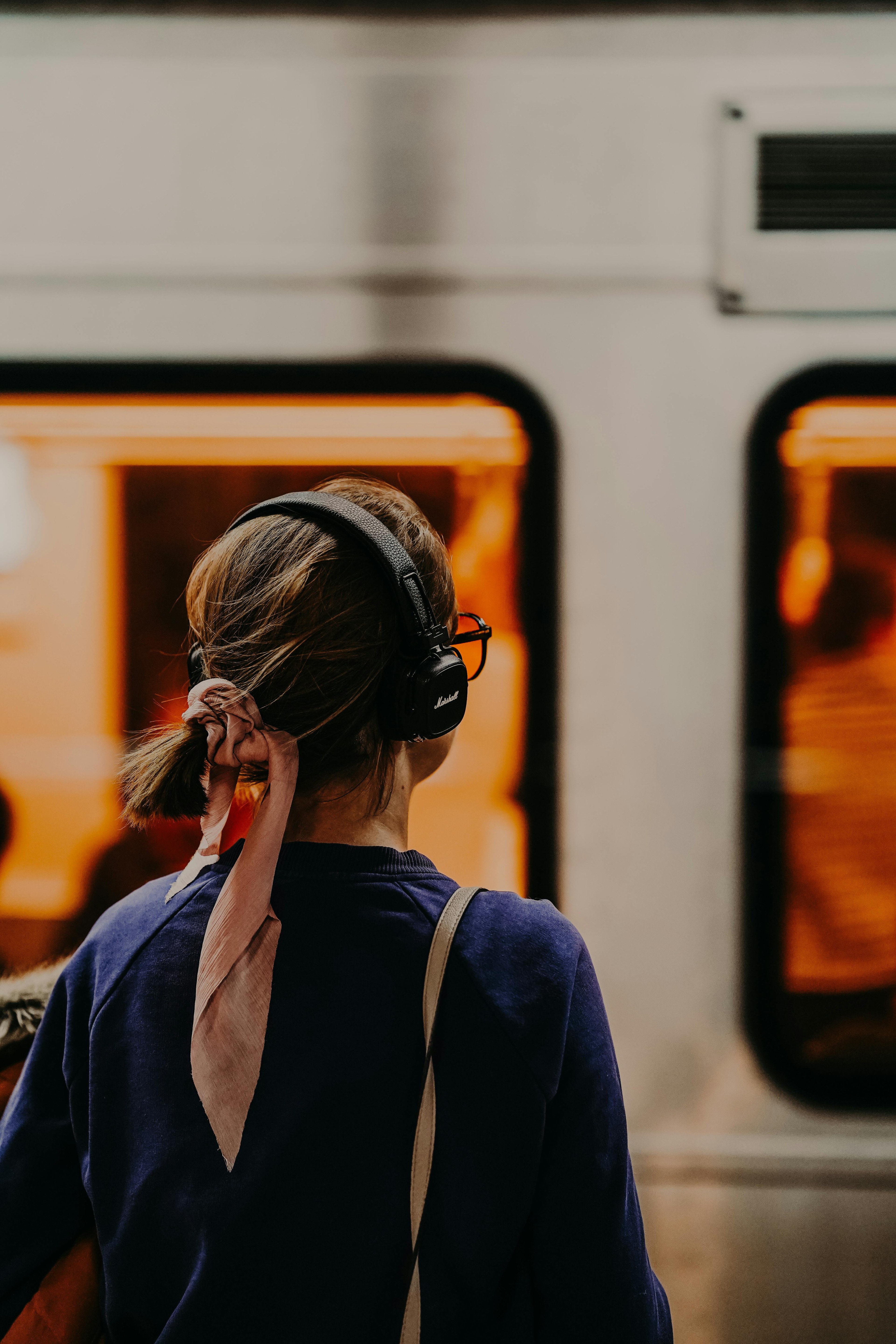
Image by Faith Guney
#mentalhealth
#gender
#autism
#neurodivergence
Content warnings: sexual abuse, mentions of suicide and other mental health conditions
For every three boys that get diagnosed with autism, one girl receives a diagnosis. This statistic has long reinforced the belief that autism is a predominantly a male condition. However, in a Swedish study found that by the age of 20, an equal number of men and women had been diagnosed with autism.
There is currently an average delay of 10 years to receive an autism diagnosis, especially true in cases where there was no prominent intellectual disability.
This feeds into what is a well-known bias that men are more likely to be autistic than women, when in reality women are diagnosed much less.
Why?
High functioning autism is an unofficial term used to describe autistic individuals with average, or above average, intelligence who can normally handle basic life skills: this autism can be hard to spot, and even harder to get a diagnosis, particularly in adult women without intellectual disabilities. Diagnosis can be complicated further because many women develop strong masking strategies, their difficulties may be misinterpreted as personality traits rather than neurodevelopmental differences.
Gender Differences
Firstly, due to the focus on autism in men and boys, perspectives from women, girls, transwomen and non-binary individuals have been missed, shortening the breadth of understanding.
Autism in women often presents differently from the classic male stereotype. The autistic spectrum disorder includes many varied presentations, and while ‘classic’ autism is much less likely to be missed in women, some other presentations can be confused with anorexia or borderline personality disorder due to their similarities with excessive control over environments and other people.
Some symptoms of this in women can be:
- Perfectionism
- Poor posture
- Strong use of a routine
- Restricted or selective eating choices
- Autistic inertia
- Reluctance to speak if called on
- Finding group events difficult due to the proximity of so many people
Furthermore, some core characteristics, such as the stereotypes of liking trains are seen differently in girls and women. These interests in women and girls may go unnoticed due to their more typical presentations.
Masking
One of the most significant differences in the presentation of autism between men and women is masking.
Masking is a conscious or unconscious suppression of autistic traits and adoption of neurotypical features and is seen more in women and girls.
This is thought to count towards the idea that women and girls have fewer social difficulties than autistic men and boys, when in reality, the expectations of society are often the driving factor. Studies have shown that masking leads to exhaustion, poor mental health, loss of identity and delay of diagnosis; masking has also shown to increase social acceptance and the ability to access more social spaces.
Burnout and Mental Health
Masking can lead to burnout, though its severity varies between individuals. For some individuals the ‘mask’ is able to be dropped when they reach somewhere they feel comfortable, such as home, but for others there is a struggle of differing between masking and who they actually are. This can lead to a very significant burnout, characterised as a ‘highly debilitating condition’. This can be worsened without a diagnosis, where there is the feeling of spinning out due to an inability to understand the source of their distress.
Masking is a risk factor for mental health difficulties in women with autism and is thought to be a factor in the eight-fold risk factor of suicide when compared to non-autistic women.
Managing Social Situations
A trait of autism can be having difficulties in social situations. In schools, this is often seen in lack of solid friendship groups and social isolation. Social skills become vital in adolescence, when topics such as sexual health begin to arise.
Gaps in understanding of what is being said, and any non-verbal cues can leave women and girls with autism vulnerable. A study by Gotby in 2018 showed that autistic females are 3 times more likely to be at risk of sexual coercion than neurotypical counterparts. Sexual education in schools is limited for neurotypical individuals, putting those on the neurodivergent spectrum more at risk. The lack of teaching and available resources leaves these individuals to be more at risk.
Links to Menstrual Health
In the reproductive health field, there have been links between developmental disorders and PCOS, GDM and menstrual cycle irregularities. Teenagers with autism are less likely to visit gynaecologists even though they are more likely to be diagnosed with these menstrual irregularities, PCOS and premenstrual syndrome. Along with this, they are less likely to use any form of hormonal contraception, which is typically a first line treatment for these issues.
Autistic women have been typically left out of research studies and very little specific research have been carried out. Sensory processing can be affected by menstrual cycles and fluctuations in hormones, with multiple studies reporting that autistic individuals experience noticeable changes in mood as well, including increased distress and difficulties with emotional regulation.
Importance of Support
 Autism is a complicated disorder, complicated further for women and girls around diagnostic frameworks created around male presentations. The health impacts of late diagnoses, combined with the expectations of masking in social situations are dangerous, exacerbated by the lack of understanding of autism in women and girls. More inclusive support, education and research is required to fill gaps in understanding around diagnosis, reproductive, sexual and mental health in women and girls with autism.
While this article refers to women and girls as those assigned female at birth, I recognise that not everyone who identifies as a woman or a girl fits into this definition.
Resources:
https://www.autism.org.uk/ https://www.mentalhealth.org.uk/explore-mental-health/a-z-topics/autism-and-mental-health
Sources:
https://www.bmj.com/content/392/bmj-2025-084164 https://pmc.ncbi.nlm.nih.gov/articles/PMC3114757/ https://www-sciencedirect
https://pubmed.ncbi.nlm.nih.gov/38218512/
https://acamh.onlinelibrary.wiley.com/doi/full/10.1111/jcpp.12884saml_referrer
Share your thoughts
We're on a mission to bring our community the best content! Loved this article? Got ideas to make it even better or suggestions for future topics? We'd love to hear from you! Your input shapes the future of our content.